
Deuteronomy 6:4–7; Matthew 22:35–38
The foundation of true worship begins with a clear understanding of God and our response to Him. In Deuteronomy 6:4-7, we are commanded to love the Lord with all our heart, soul, and strength, and to keep His Word at the center of our lives. This truth is reaffirmed by our Lord in Matthew 22:35-38, where loving God wholly is declared the greatest commandment. True worship, therefore, is not confined to a place or time, but is the total response of a life devoted to God.
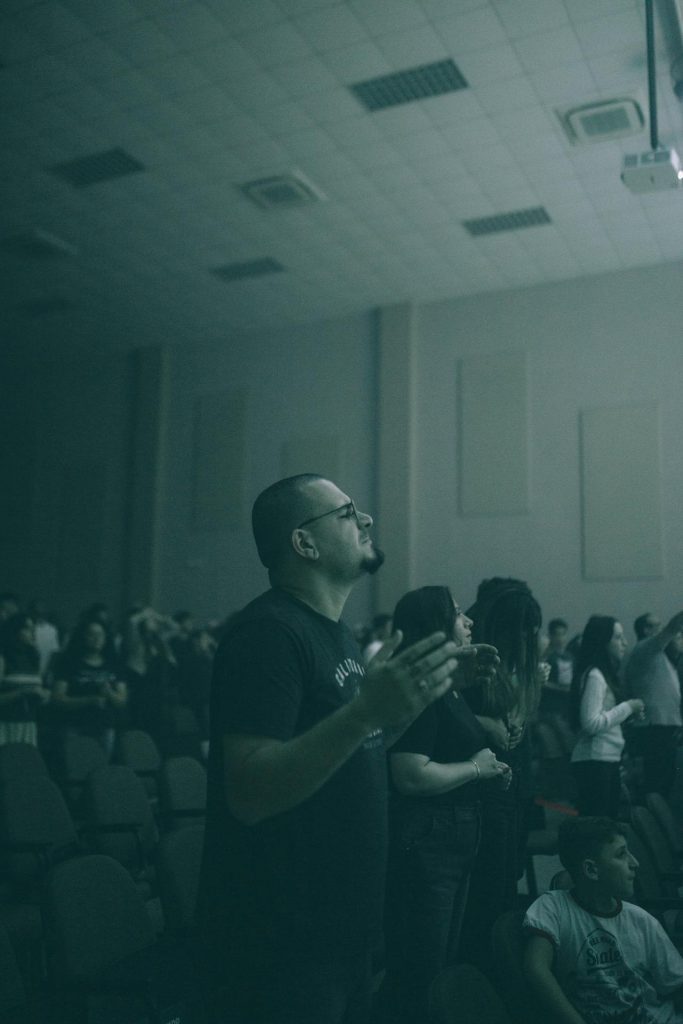
Worship is often misunderstood. Many think of it as a few hours of enthusiastic singing or emotional expression. But worship is far deeper. It is everything we do to express our love, gratitude, and joy to our Creator. In a simple illustration, a dog expresses its joy to its master by wagging its tail. If that tail were absent, it would still find other ways to express its delight. In the same way, true worship cannot be confined to one form. It finds expression in every part of life.
False worship began very early in human history, almost alongside true worship. After the fall of man, there was a long period where true worship was obscured, until in the days of Enosh, people began again to call upon the name of the Lord. This reminds us that worship must be restored whenever it declines.
God’s desire for true worship is seen in His dealings with Israel. The Exodus itself was not merely about deliverance from bondage, but about bringing His people into a place where they could worship Him freely. Even later, there were times when true worship declined severely. During the days of Elijah, he stood almost alone in upholding the worship of the true God. He repaired the altar with twelve stones, restoring its original sanctity, and through his prayer, God revealed Himself powerfully.
History shows repeated cycles of decline and restoration. In the time of kings, worship was often corrupted. Though there may be some historical mixing in recollection, we clearly see from Scripture that leaders like Ahaz shut down true worship, while others like Jehoshaphat and reforming kings restored it. In the days of Ezekiel, God even expressed displeasure toward empty rituals, desiring sincerity rather than mere outward acts.
In the New Testament, Jesus brought clarity to the concept of worship. He spoke of true worshippers who worship the Father in spirit and in truth. With the coming of the Holy Spirit on the Day of Pentecost, worship became spiritual in its fullness, no longer limited by place or ritual, but empowered by the Spirit.
Yet, even after this, there were periods when true worship was obscured again. In the 16th century, Martin Luther became an instrument of restoration through the Reformation. The emphasis returned to foundational truths: Christ alone, faith alone, grace alone, Scripture alone, and the glory of God alone. These principles brought worship back to its true center.
In the Indian context, tradition holds that Thomas the Apostle brought the gospel to this land. Over time, however, deviations and additions affected the purity of worship. In later centuries, God again raised individuals such as Kochukunju Upadeshi and others who emphasized a return to true, spiritual worship. In the early 20th century, leaders like K. E. Abraham played a significant role in revival movements that restored vibrant, Spirit-filled worship.
The book of Hebrews, especially chapter 9, reminds us that even in the Old Testament there were detailed regulations for worship. Yet all these pointed forward to Christ, through whom true worship finds its fulfillment.
From all this, we understand that true worship is not about outward display, ritual, or mere tradition. It is about a heart wholly devoted to God, expressed through love, obedience, and reverence. It is continuous, not occasional. It is spiritual, not merely external. And it is centered on God alone, not on human experience.
May we be found among those true worshippers who worship the Father in spirit and in truth, bringing Him joy not just through words, but through lives fully surrendered to Him.