
There is widespread misunderstanding in the church about what true worship really is. Jesus taught that genuine worship must be sincere, spiritual, and thoughtful, not merely outward or emotional.
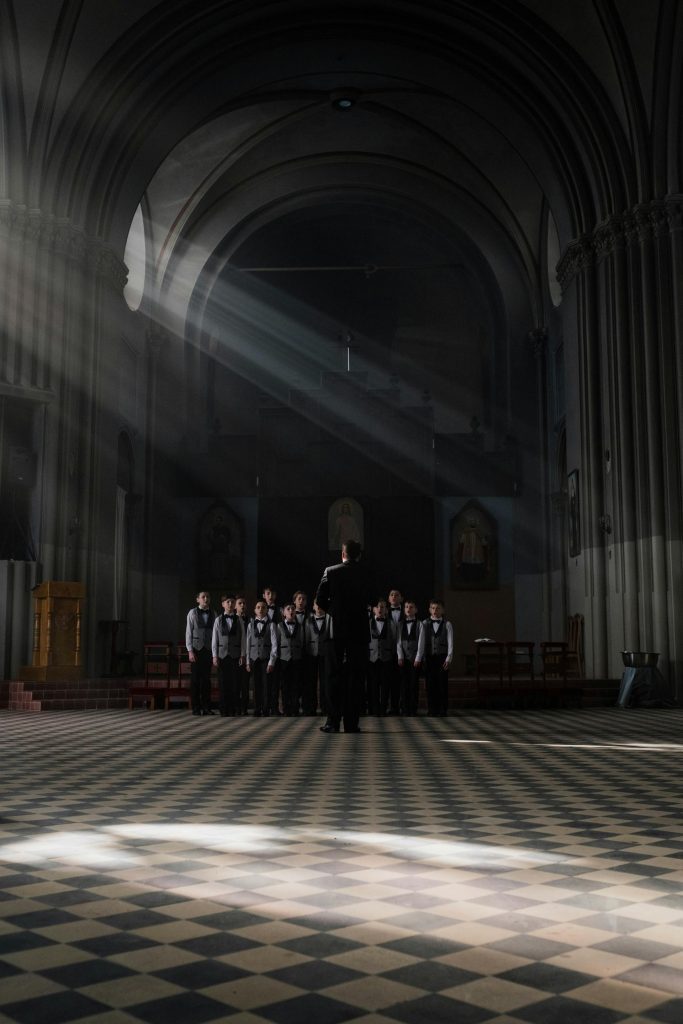
An illustration helps clarify this. A godly man once dreamed that an angel took him to a grand church filled with beautiful architecture, well-dressed people, a large choir, and skilled musicians. Everything appeared lively and impressive. People sang, prayed, and participated enthusiastically. Yet, strangely, he could not hear a single sound. When he asked the angel why, the reply was sobering: what he saw was insincere and empty worship, and such worship does not reach heaven. It may look impressive on earth, but it carries no value before God.
People often define worship differently. Some think it is singing, others believe it is listening to preaching, serving others, praying, or sharing God’s Word. While all these may be expressions of worship, they do not fully define it. Worship is deeper than any single activity. It is a life devoted to God alone, as Jesus emphasized when He said that only God is to be worshipped and served.
Certain words like grace, love, and worship are difficult to define fully because they are deeply experiential. Worship can be described as the overflow of a grateful heart that is aware of God’s goodness. It is not focused on our needs or even our blessings, but on God Himself. It is a heart stirred with awe, gratitude, and reverence.
This was evident in the life of David. When God promised to establish his kingdom, David was overwhelmed. He came before the Lord in humility and wonder, acknowledging that everything God had done was far beyond what he deserved. His response was not ritual, but heartfelt adoration.
In the New Testament, the word often used for worship conveys the idea of bowing down in reverence and submission. This shows that worship involves humility and surrender before God. From the first mention of worship in Scripture, when Abraham prepared to offer Isaac, we learn important truths. Worship is based on God’s revelation, requires faith and obedience, involves sacrifice, demands separation from distractions, calls for complete surrender, glorifies God, and ultimately brings blessing to the worshipper.
Worship holds a central place in Scripture. It is rooted in the first commandment, emphasized in the gatherings and feasts of God’s people, and reaffirmed by Jesus. Worship is no longer tied to a specific place but can happen anywhere. It is centered on God, not on human feelings. It is relational, flowing from a personal connection with God as Father. It must be sincere, guided by truth, and empowered by the Word and the Spirit.
However, there are many hindrances to true worship. Self-will, worldliness, a critical attitude, laziness, impatience, narrow-mindedness, empty ritualism, unforgiveness, and pride can all block genuine worship. These shift the focus away from God and weaken our spiritual life.
Praise and worship are closely related but not identical. Praise is what we offer to God, while worship is what God produces within us. Praise prepares the way, creating an environment where God’s presence is welcomed. But for this to be effective, it must be genuine and heartfelt, not merely external.
God desires sincerity. External expressions without a true heart are meaningless. True worship draws us into God’s presence, where we experience joy, peace, strength, wisdom, and rest. When God’s presence is real, everything changes. His presence brings direction, blessing, and power, and it becomes the answer to every need in life.
Ultimately, worship is not just for this life. It is eternal. Heaven itself is filled with continuous worship of God. What we begin here will continue forever. True worship, therefore, is not an occasional activity but a lifelong and eternal response to who God is.