Colossians 3:23–24
The Christian life finds its fullness when witness, work, and worship are brought together into one unified experience. In Colossians 3:23-24, we are instructed: “Whatsoever ye do, do it heartily, as to the Lord, and not unto men… for ye serve the Lord Christ.” This passage brings together the essence of practical Christianity. Everything we do becomes meaningful when it is done unto the Lord.
The world today is driven by ideas. Whoever shapes ideas can influence people, and ultimately the world. This is something the enemy understands well. But God, who is complete in Himself, does not depend on anything we do. Our worship, service, or witness does not add to His glory. As Psalm 50:13 reminds us, God does not need human offerings in a literal sense. Then why are we called to worship, work, and witness? It is not for His benefit, but for ours, for our transformation, growth, and spiritual formation.
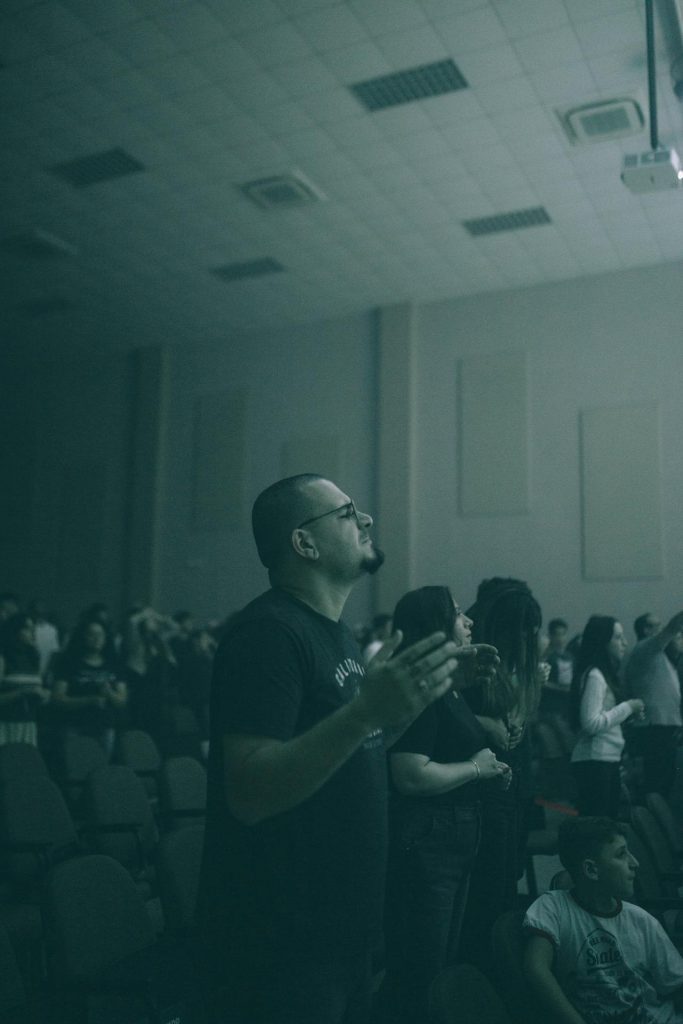
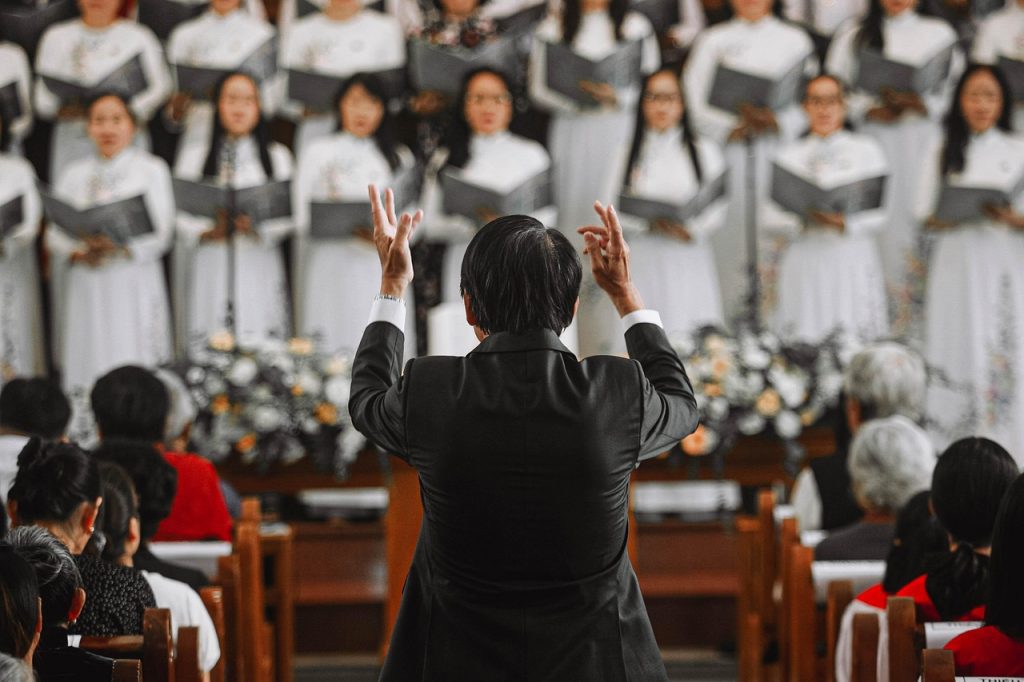
This brings us to a crucial realization: worship is often misunderstood. Many think worship is limited to singing or emotional expression in gatherings. But worship is far deeper. It is a life given to God. In Romans 10:1, Paul the Apostle speaks of serving God in the spirit. Worship and witness are closely connected. Worship is sacrifice, offering ourselves as living, holy sacrifices to God.
Singing is only one expression of worship. It would be more accurate to say, “Let us sing to the Lord,” rather than “Let us worship,” because worship is continuous. It is a lifestyle. Ephesians 5:2 calls us to walk in love. Hebrews 9:14 reminds us of offering ourselves in righteousness. True worship involves surrender, obedience, and a transformed life.
The book of Romans gives us a clear structure. The first eleven chapters deal with doctrine, while from chapter twelve onward we see practical application. The heart of this is Romans 12:1-2, where we are urged to present our bodies as living sacrifices. This is true worship. In other words, practical Christian living itself is worship.
The life of Jesus is our perfect example. Apart from a few extraordinary moments, He functioned in the power of the Holy Spirit, not independently through His divine privileges. This was to show us how to live. When the Bible says we will do greater works, it speaks of extent, not nature. Even His final cry of victory was in the strength of the Spirit. Our calling is to live, serve, and finish our course in the same dependence on the Holy Spirit.
1 Corinthians 10:31 summarizes everything: “Whether therefore ye eat, or drink, or whatsoever ye do, do all to the glory of God.” Here, work, worship, and witness converge. Every action becomes an act of worship, every responsibility becomes a testimony, and every moment becomes service unto God.
An important truth is that angels cannot testify in the way believers can, because they have not experienced redemption. We have experienced grace, forgiveness, and transformation. Our lives themselves become a witness. Titus 2:14 says that Christ redeemed us and purified us to be a people zealous for good works.
When we live such a life, we become true worshippers. Worship is not merely giving something to God, but giving ourselves. It is possible to give without love, but it is impossible to truly love without giving. Our self-surrender is the highest form of worship.
In Malachi 1:10, God expresses displeasure with empty rituals. He desires sincerity, not mere activity. In Isaiah 6, even amidst heavenly worship, God seeks someone to go for Him. This shows that worship must lead to mission. True worship always produces witness.
Similarly, in Luke 10:25-28, when a man asked about eternal life, Jesus pointed him back to love, loving God and loving others. Love is central to worship. 1 Corinthians 13 beautifully describes this love, a love that does not keep a record of wrongs, just as Christ has forgiven us.
Hebrews 2:9 tells us that Jesus tasted death for us. He fully experienced it, so that we might share in His life. This depth of sacrifice calls for a wholehearted response from us.
In the Greek New Testament, one word for worship is proskuneo, which means to bow down in reverence. It reflects an attitude of complete surrender, like a servant attentively waiting before the master. This posture captures the essence of worship, humility, submission, and devotion.
As we bring all these truths together, we see that witness, work, and worship are not separate activities. They are one life lived for God. When we work sincerely, we worship. When we worship truly, we witness. When we witness faithfully, we glorify God.
May our lives reflect this harmony. Let every action, every word, and every thought be offered to God. Then our lives will not only speak of Him but will also shine for Him, bringing glory to the Lord Christ in all things.