Ephesians 2:10; 1 Peter 2:9
The Word of God reminds us in Ephesians 2:10 that we are His workmanship, created in Christ Jesus for good works. Again, 1 Peter 2:9 declares that we are a chosen generation, a royal priesthood, a holy nation, called to proclaim His praises. These truths establish our identity and calling in Christ.
There is an ancient book called The Art of War, written by Sun Tzu, which highlights three principles still used in warfare: know who you are, know your enemy, and know your weapons. These principles are deeply relevant to the Christian life. First, we must know who we are in Christ. Second, we must understand the enemy and his schemes. Third, we must be aware of the spiritual resources God has given us.
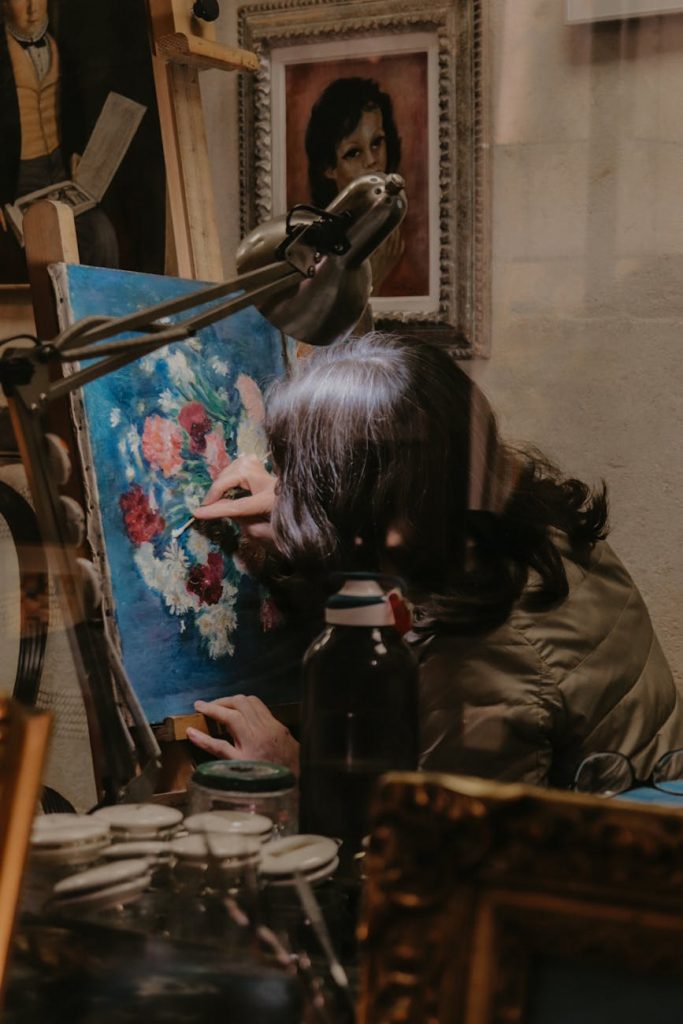
The Bible describes us as God’s “workmanship.” The Greek word used is poiēma, from which we get words like poetry and poem. It gives us a beautiful picture: God is writing your life as a divine poem. You are not an accident or a random existence. You are God’s masterpiece, and He is still shaping you.
The Bible speaks of two dimensions of creation. In the beginning, God created the world by His word. But when He created man, it was different. He formed man from the dust and breathed into his nostrils the breath of life. This reveals something unique about humanity. We are created in the image and likeness of God.
What does this mean?
First, it speaks of relationship. Man was created to live in fellowship with his Creator. Second, it reveals position. Man was not made like the animals, but was given authority and dominion. Third, it shows communication. Man was created with the ability to hear from God and respond to Him. Fourth, it reflects the divine imprint within us, a nature that can know and respond to God. Fifth, it points to destiny. Man was not created for death, but for eternity.
However, sin disrupted this divine design. The Bible uses different words to describe sin. “Trespass” means crossing the boundary God has set. “Sin” means missing the mark that God has established. Humanity fell short of God’s purpose, and the image was marred.
But the gospel is not merely a message of excitement or emotion. It is a message of transformation. When Christ shapes a life, there will be visible evidence. Let us reflect on three areas where transformation becomes evident.
First, the way we speak changes. In the Gospels, Peter the Apostle was recognized as a disciple of Jesus because of his speech. His words revealed his association. In the same way, a transformed life produces transformed speech. Two different streams cannot flow from the same source.
Second, our inner beauty changes. This is not about physical appearance, but about character. The way we live, walk, and conduct ourselves reveals whose we are. Grace becomes our covering. Our lives begin to reflect Christ in humility, purity, and love.
Third, our fragrance changes. As 2 Corinthians 2:15 teaches, we are the aroma of Christ. To some, it is the fragrance of life; to others, the smell of death. A transformed life carries a spiritual influence that affects those around us.
Christianity is not just about doing things for God, but about being shaped by Him. It is both being and doing. When we understand who we are, walk in transformation, and live out our calling, we become true witnesses of Christ.
May our lives reflect the truth that we are His workmanship, His living poem, shaped daily to reveal His glory to the world.