The very word consecration means the act of making something sacred or holy, dedicating it to a divine purpose through religious rites, prayers, and ceremonies. It also means a deep, solemn dedication of oneself or something to a special cause. Essentially, consecration separates the mundane for the divine, turning an ordinary item, person, or space into a spiritual possibility.
The word consecration comes from the Latin consecrare (con + sacer), meaning “to dedicate with sacredness.” Thus, consecration implies total devotion. For example, the consecration of a church building or the transformation of communion elements means they are used exclusively for that sacred purpose. Consecrating a person’s life means a powerful dedication of one’s life, time, and resources to a higher purpose or cherished goal, not limited to religion alone.
Another explanation of consecration is the act by which a person or a thing is separated from secular or profane use and permanently dedicated to the sacred by prayers, rites, and ceremonies. In the Old Testament, persons who were consecrated included priests (Exod. 39), kings (1 Sam. 10), and prophets (1 Chron. 16). Objects that were consecrated included the pillar or stone of Bethel (Gen. 28), the vessels of the Tabernacle (Lev. 8), the altar of burnt offerings (Exod. 29), and the Second Temple (Ezra 6).
Passover is an important example that helps explain consecration. Passover is a major Jewish spring festival that commemorates the liberation of the Israelites from Egyptian slavery. It lasts seven or eight days, beginning on the fifteenth day of Nisan. Passover, or Pesach (the Feast of Unleavened Bread), commemorates the journey of the ancient Israelites from enslavement in Egypt to freedom.
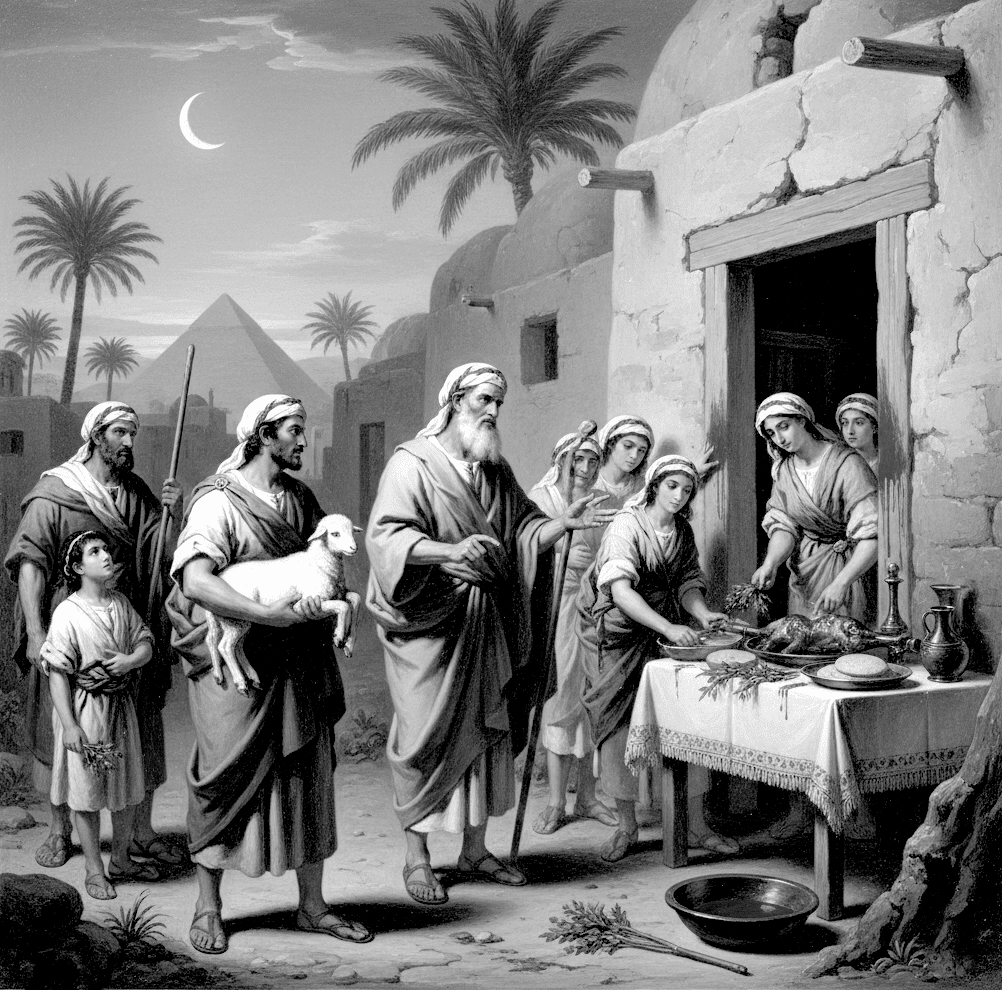
Traditionally, Jewish families celebrate Passover by holding a ceremonial meal called the Seder, which includes special symbolic foods, especially unleavened bread known as matzo. According to the book of Exodus, God commanded Moses to instruct the Israelites to slaughter a lamb and mark their doorframes with its blood. They were also given specific instructions for consuming the lamb that night. On that night, God sent the angel of death to bring about the tenth plague, striking all the firstborn in Egypt. When the angel saw the blood on the Israelite homes, he passed over them so that the plague did not enter.
The implications of Passover include remembering liberation from slavery and trusting in God’s provision. Its connection to consecration highlights themes of substitutionary sacrifice (the lamb for the firstborn), cleansing (the blood on the doorposts), and dedication to God (the firstborn belonging to Him).
Key Implications of Passover and Consecration
1. Redemption and Freedom
Passover commemorates God saving the Israelites from Egyptian bondage. While in Egypt, they suffered greatly. The book of Exodus records their suffering under taskmasters—men of rank who supervised public works and afflicted them with heavy burdens. The Israelites were forced to build cities such as Pithom and Raamses (Exod. 1:10–11). Their lives were made bitter with hard bondage, involving all kinds of labor in the fields, imposed with great rigor (Exod. 1:14).
Male children were killed as part of Pharaoh’s attempt to destroy Israel (Exod. 1:16, 22). This was an effort by Pharaoh—symbolic of Satan—to destroy Israel so that the Messiah would not come to bruise the serpent’s head (Gen. 3:15; Rom. 16:20). Every son born was to be cast into the river (Exod. 1:22). From such desperate circumstances, the people of Israel were delivered through the death of the Passover lamb.
The implication of Passover symbolically represents freedom from sin and humanity’s deliverance from the oppression and bondage of the devil. As the death of the Passover lamb in the Old Testament brought deliverance, it points to Jesus as the Lamb of God who takes away the sins of the world (John 1:29). Paul declares, “Christ, our Passover, has been sacrificed for us” (1 Cor. 5:7). Through His blood, sins are forgiven (Eph. 1:7; Heb. 9:22; Rev. 1:5). Jesus’ crucifixion aligns perfectly with the time when the Passover lambs were slaughtered.
2. Chosen People
The implications of Passover reinforce the Jewish identity as a people chosen by God. They were delivered from Egypt through the blood of the Passover lamb. When the angel of God saw the blood on the doorframes, he passed over their homes. Likewise, the blood of Jesus Christ shed on the cross of Calvary became a ransom for all humanity. Christ’s blood offers eternal redemption and reconciliation with God, surpassing the temporary deliverance experienced in Egypt.
Through the blood of Jesus Christ, believers receive remission of sins (Heb. 9:22; Lev. 17:11; Rom. 3:24; 5:11; Col. 1:20), life and peace (Rom. 5:1; Col. 1:20), redemption (Rom. 3:24–25; Eph. 1:7; Heb. 9:12–15; 1 Pet. 1:18; Rev. 5:9), justification (Rom. 5:9; Gal. 3:6; Acts 13:38–39), nearness to God (Eph. 2:13; Heb. 10:19), a pure conscience (Heb. 9:14), cleansing from sin (1 John 1:7), and sanctification (Heb. 10:10–14; 13:20).
3. Sanctification (Consecration)
The firstborn males of Israel were consecrated (made holy) to God because they were spared during the Passover. This established a lasting pattern of dedication. Through the death of Jesus Christ, the Lamb of God, believers are justified (saved), sanctified (being saved), and will be glorified (will be saved).
The death of Christ brought about a New Covenant. This covenant is revealed in the breaking of bread and sharing of the cup at the Last Supper. What was once a Passover Seder became a new ritual of remembrance for Christ’s sacrifice.
4. Trust and Provision
The Israelites’ hurried departure from Egypt without leavened bread taught them to rely on God for future sustenance. This was a powerful lesson in faith. God is our provider, and He supplies all our needs according to His riches in glory.
Scripture provides many examples of God’s provision. He prepared a great fish to provide deliverance for Jonah. He used ravens to feed Elijah the prophet. Those who trust in the Lord are satisfied with His provision (Ps. 147:9; Job 38:39–41).
Conclusion
The Passover, an Old Testament festival observed by the Jewish people, carries profound implications of consecration for Christianity. Passover points to the fulfillment of Jesus’ death, burial, and resurrection. Jesus is perfectly portrayed both in the original Passover and in His redemptive work. Jesus—Yeshua—is our Passover Lamb. Only through the blood of Jesus Christ does humanity have access to God.